Review: Rose of Baltimore Embroidery Font
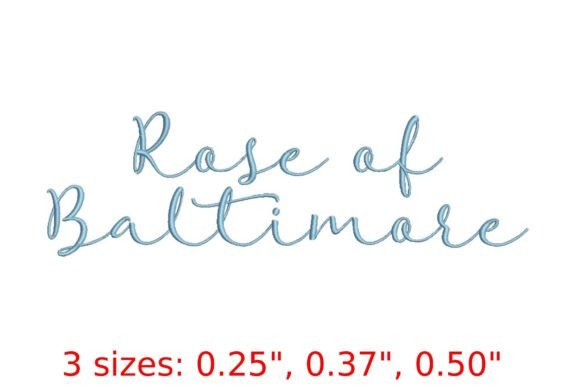
The Rose of Baltimore Embroidery Font is a standout machine embroidery design that brings a touch of vintage elegance to any handmade product. With its delicate and intricate script, it feels both timeless and refined, making it perfect for craft fair sellers looking to elevate their offerings.
First Impressions: Timeless Elegance
As an experienced embroidery designer, the first thing I notice about the Rose of Baltimore Embroidery Font is its graceful, flowing script. It exudes a sense of sophistication and refinement, leaning more toward elegant and premium than anything modern or rustic. This makes it ideal for products that aim to convey quality and artistry, such as tote bag designs, apron embroidery, and tea towel embroidery.
Best Applications: Where It Shines
This embroidery file works exceptionally well on a variety of craft fair products. On tote bags, it adds a subtle yet striking focal point that draws attention without overwhelming the design. For aprons, it complements the practicality with a touch of class. Tea towels and pillow covers benefit from its soft, decorative nature, while embroidered patches and fabric pouches can use it as a small but meaningful accent.
On caps and market bags, the font maintains its clarity, especially when used in larger sizes. It also performs well on printable mockups, giving Etsy sellers a clear idea of how it will look on finished products. The design’s versatility makes it a valuable addition to any digital embroidery file collection.
Practical Selling and Production Points
One of the key factors for craft fair success is how easily a design can be understood at a glance. The Rose of Baltimore Embroidery Font is legible and visually appealing, even when used as a small accent. It works well both as a large focal piece and as a subtle detail, offering flexibility for different product types.
When photographing for online listings, the font retains its charm, especially when paired with appropriate thread colors. It also photographs well on dark fabrics, though care should be taken to ensure sufficient contrast. For batch production, the design is repeatable, provided the stitch density is managed properly.
Careful-Use Notes: What to Watch For
While the Rose of Baltimore Embroidery Font is beautiful, it does have some limitations. The delicate script may not hold up well on thick fabrics or textured towels, where the details could become lost. On curved cap surfaces, the font might require slight adjustments to maintain its shape and clarity.
Small lettering can be challenging, especially on items like patches or small pouches. Dense stitch areas may cause the design to look cluttered, so it’s important to test the design on scrap fabric before mass production. Using the right stabilizer and checking the hoop size are essential steps to ensure the design comes out cleanly on all materials.
Impact on Visual Appeal and Customer Engagement
The Rose of Baltimore Embroidery Font enhances the visual appeal of any handmade product. Its elegant style catches the eye, making it a strong contender for booth display strength. Customers often gravitate toward designs that feel premium and unique, and this font delivers on both counts.
It also contributes to brand consistency, especially for small shop products that aim to establish a cohesive aesthetic. As an Etsy seller, using this font across multiple items can help create a recognizable and professional look. It encourages buyer engagement by adding a touch of sophistication that resonates with customers looking for quality handmade goods.
Embroidery Designer Notes: Preparing for Success
Before turning the Rose of Baltimore Embroidery Font into craft fair products, I recommend testing it on various fabric textures. Check thread colors for contrast and review spacing to ensure the design looks balanced. Confirm the correct hoop size and inspect the stitch density to avoid any issues during production.
Creating at least one real mockup is crucial—seeing the design on actual fabric helps identify any potential problems. Compare fabric colors to ensure the font stands out appropriately. Lastly, confirm commercial licensing before selling finished products, as this is a critical step for any embroidery business.
Conclusion: A Versatile Addition for Handmade Sellers
The Rose of Baltimore Embroidery Font is a versatile and elegant choice for craft fair sellers, embroidery business owners, and handmade shop owners. Its ability to elevate a wide range of products makes it a valuable asset in any digital embroidery file collection. Whether used on tote bag designs, apron embroidery, or small shop products, it adds a touch of class that can make a significant difference in customer perception and sales.